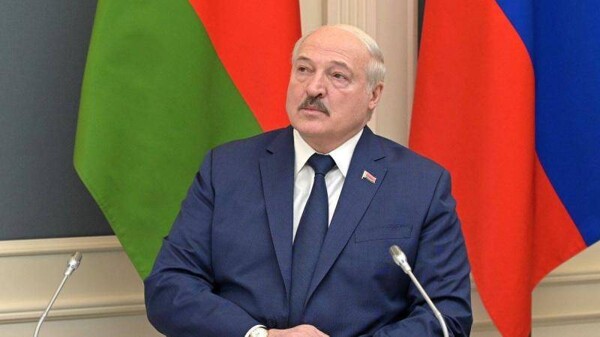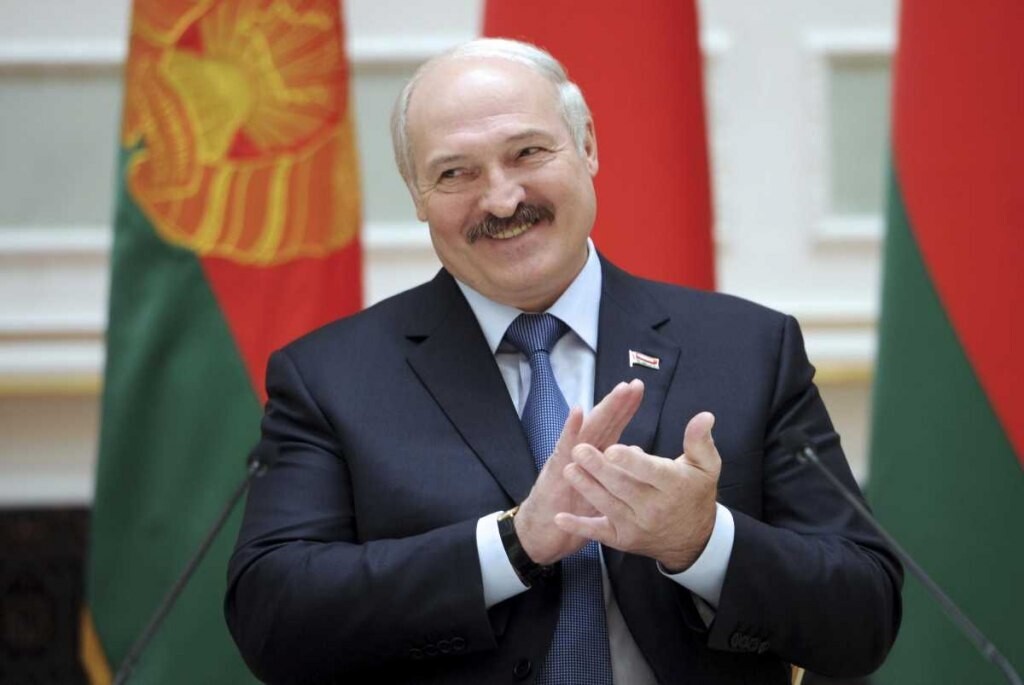
The President of Belarus, Alexander Lukashenko, who has been in power since 1994, was re-elected in a contested election with no opposition. Official results indicate that he received 86.82% of the votes, allowing him to govern until 2030. This fact has generated criticism and concerns in the European Union and other international organizations.
Amid allegations of repression and imprisonment of opponents, Lukashenko remains steadfast in his position. He claimed that some detainees were released out of 'true humanity', but it is estimated that around 1,250 people are still being held irregularly in the country. Despite the criticisms and pressures, the Belarusian president stated that he does not care about Western opinions, showing his support for Russia in the conflict with Ukraine.
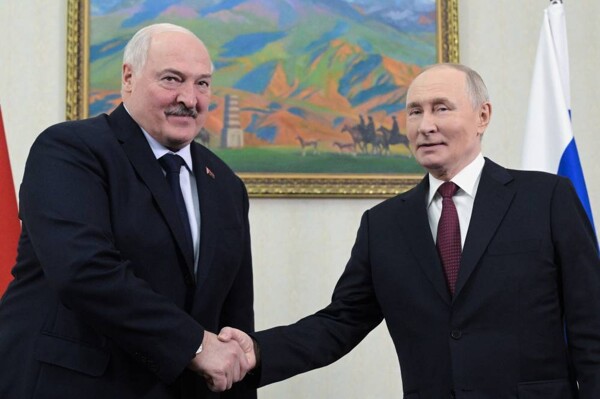
In an extensive interview, Lukashenko denied the existence of political prisoners, justifying the detentions due to violations of the Penal Code. Several world leaders, including Russia's Vladimir Putin and China's Xi Jinping, congratulated Lukashenko on his re-election, highlighting his leadership and victory in the elections.
Meanwhile, the European Union and other countries have expressed their rejection of the electoral results in Belarus, labeling the elections as 'simulated' and unfair. They have urged the regime to release all political prisoners and warned about the imposition of restrictive measures against Lukashenko's government, while continuing to support civil society and democratic forces in the country.
Despite the criticisms and international controversy, Lukashenko clings to power and is determined to continue governing Belarus, ignoring demands for democratic opening and respect for human rights.